Historic Langhorne
Long before there was a town, two Native American footpaths used by the Lenni-Lenape crossed here. Over time one became the main road between Philadelphia and New York, and the other became Durham Road, running north from Bristol. A small village formed at the spot where the two roads crossed, and it became known as Four Lanes End, or sometimes Richardson’s Corner, after the stone house Joseph Richardson built in 1738 at today’s Bellevue and Maple Avenues.
The village later took the name Attleborough. Local historians tell it a few ways: some say neighbors spoke of “going to Atlee’s” for the store a man named Atlee ran for the Richardsons, others point to a town of the same name in Norfolk, England, and one legend credits a fire engine painted “Atleebury” in honor of William Richardson Atlee, who helped pay for it. The name became official when a post office opened in the early 1800s.
During the Revolution, Four Lanes End became one of the few places north of Philadelphia with Army hospitals, where Washington’s sick and wounded soldiers were cared for through the winter of 1776–77.
The name changed again in 1876, when the railroad arrived. Attleborough and neighboring Hulmeville argued over what to call the new station, and with the Centennial Exposition approaching, railroad president Franklin A. Comly ended the dispute by naming it Langhorne. The town soon adopted the name too, honoring Thomas Langhorne and his son Jeremiah, Chief Justice of Pennsylvania, whose estate, Langhorne Park, once covered much of the land.
In the mid-1900s, the main highway was moved one block east to Pine Street, keeping heavy traffic out of the old village center. That’s a big reason the blocks around Maple and Bellevue still feel so much like they did centuries ago.
Dine inside history
More than 260 years in the making
Every taco we serve comes out of a building that has been a magistrate’s home, a Revolutionary War hospital and a meeting place for New Jersey’s lawmakers. Come taste a little history.
In 1776, New Jersey’s lawmakers met here to consider the state of the country.
Today the only debate is corn or flour tortillas.
Inside the hospital · Winter 1776–77
As soldiers lay dying of camp fever in the Hicks House, an old man came from Boston to see his son, who was too sick to speak. Stepping outside, he sat on the porch across the street beside the Richardsons’ grandfather, with tears on his cheeks.
“He said this was the ninth son he had lost since the commencement of the war and the one son at home would go as soon as old enough.”
The Hicks House & Langhorne
- 1763
The Hicks House is built
Gilbert Hicks, a local magistrate, builds his brick house on the southeast corner of the crossroads, then known as Four Lanes End.
- 1776
Loyal to the King
Gilbert convenes court on behalf of the King and is forced to flee, reportedly hiding in a neighbor's attic before escaping to Nova Scotia. On December 26, with the house serving as a hospital, the New Jersey Legislature meets there “to consider the state of the country.”
- 1776–77
A Revolutionary War hospital
Washington’s troops arrive on December 8, 1776, and the Hicks House becomes one of the village’s field hospitals. About 166 soldiers from the battles of Trenton and Princeton die there and nearby, most from disease and starvation, and are buried three or four to a grave at the south end of the village. The troops leave on May 15, 1777.
- 1780
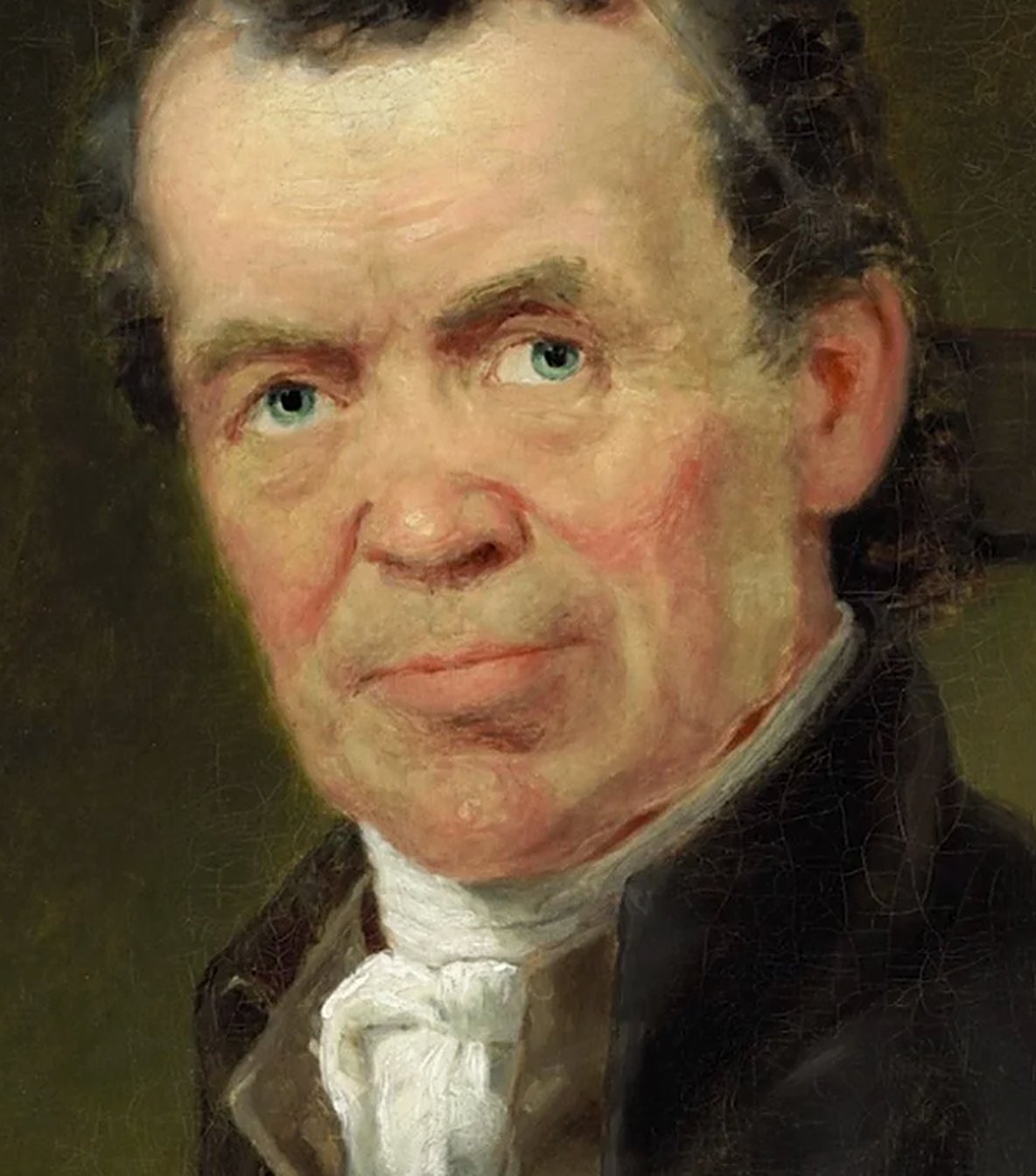
Edward Hicks is born
Edward Hicks, future Quaker minister and folk artist, is born in Attleborough, now Langhorne.
- 1811–49
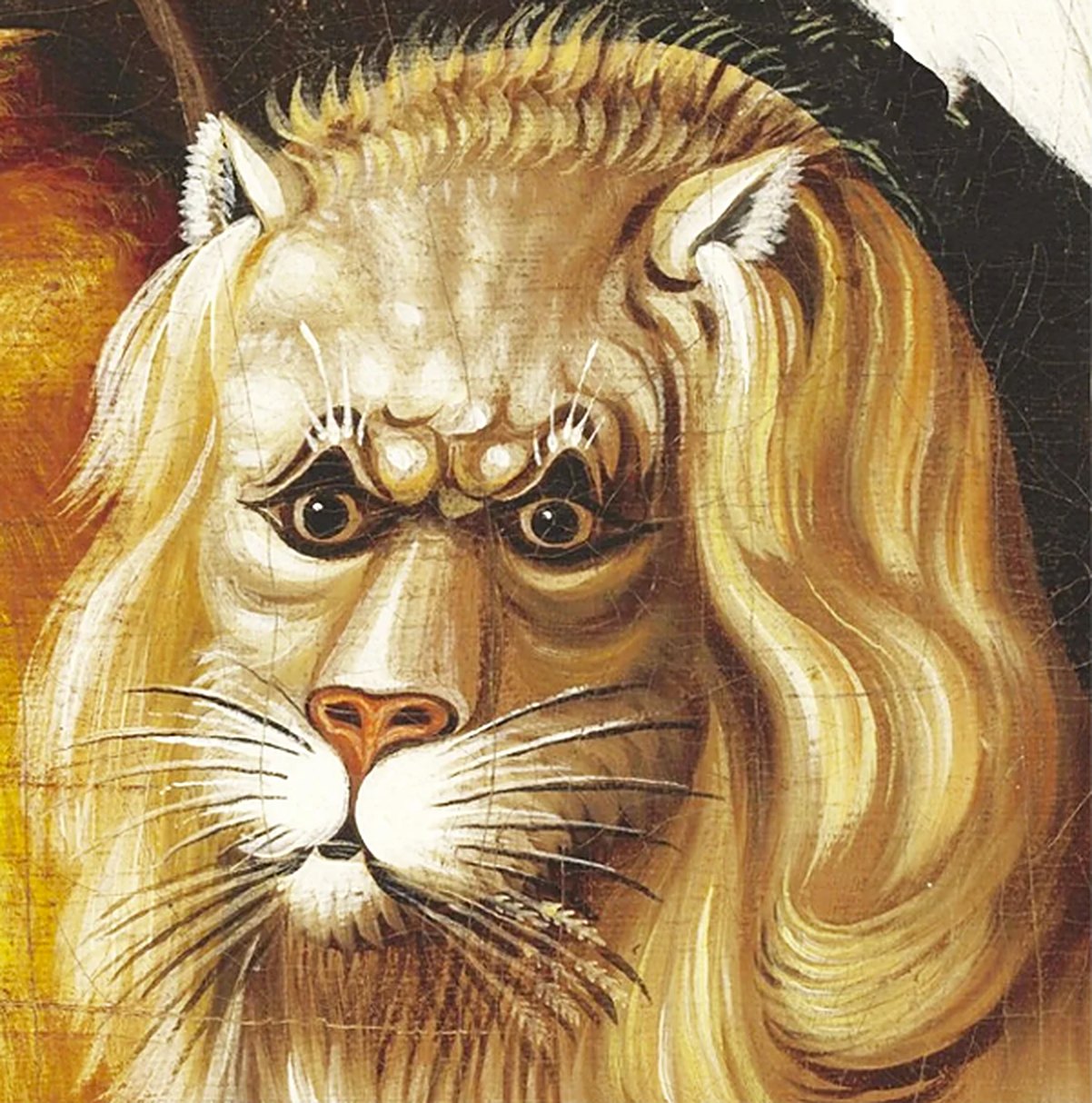
The Peaceable Kingdom
After settling in Newtown in 1811, Hicks goes on to paint more than 60 versions of The Peaceable Kingdom, inspired by Isaiah 11:6–9.
- 1849
Hicks's legacy
Edward Hicks dies in Newtown. Some 5,000 mourners attend his memorial, said to be the biggest funeral the county had ever seen.
- 1876
Langhorne gets its name
When Attleborough and Hulmeville can’t agree on a name for the new railroad station, the railroad’s president names it Langhorne, and the town adopts the name.
- c. 1902
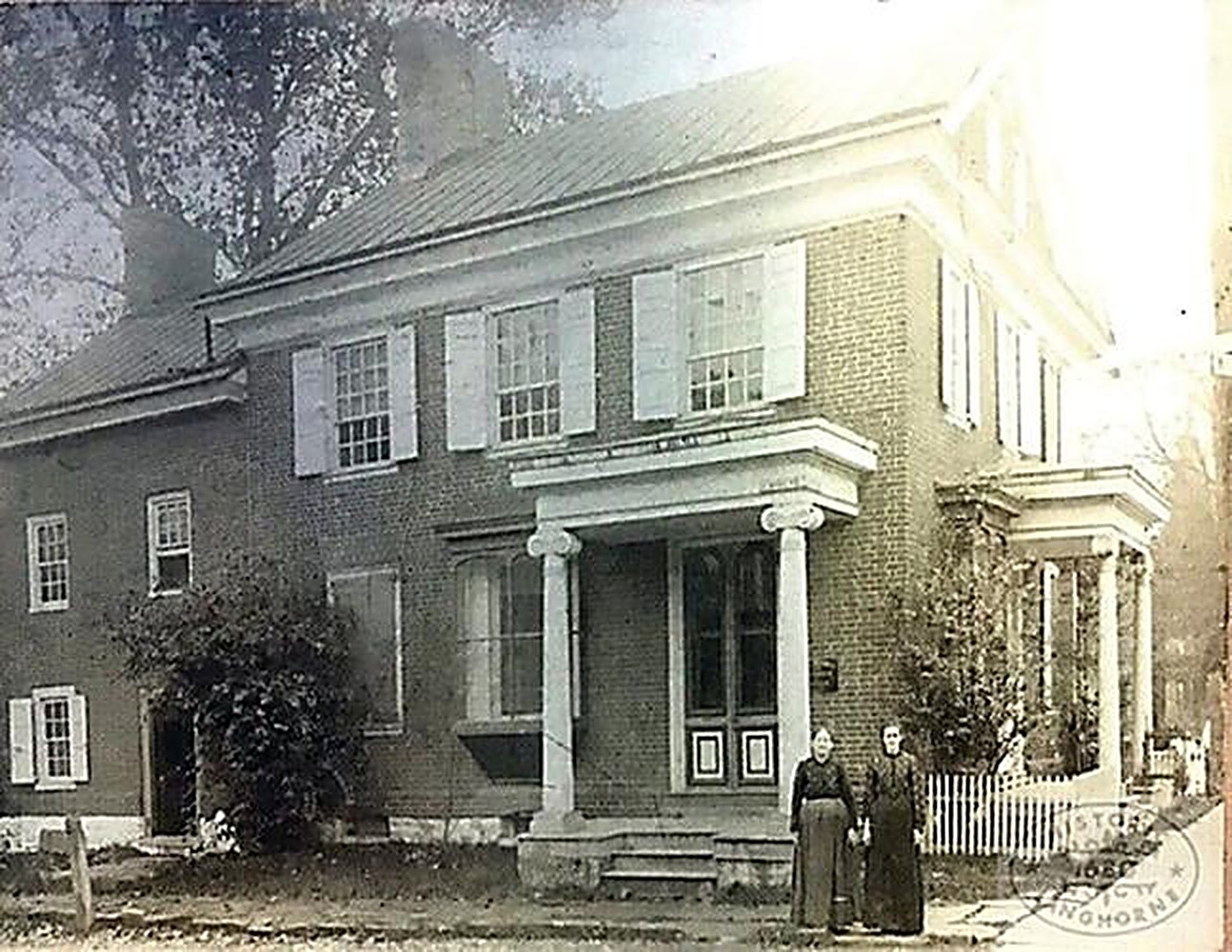
Stores and offices
About ten years before 1912, according to the Newtown Enterprise, William B. Parry buys the house and turns it into shops and offices.
- 1912
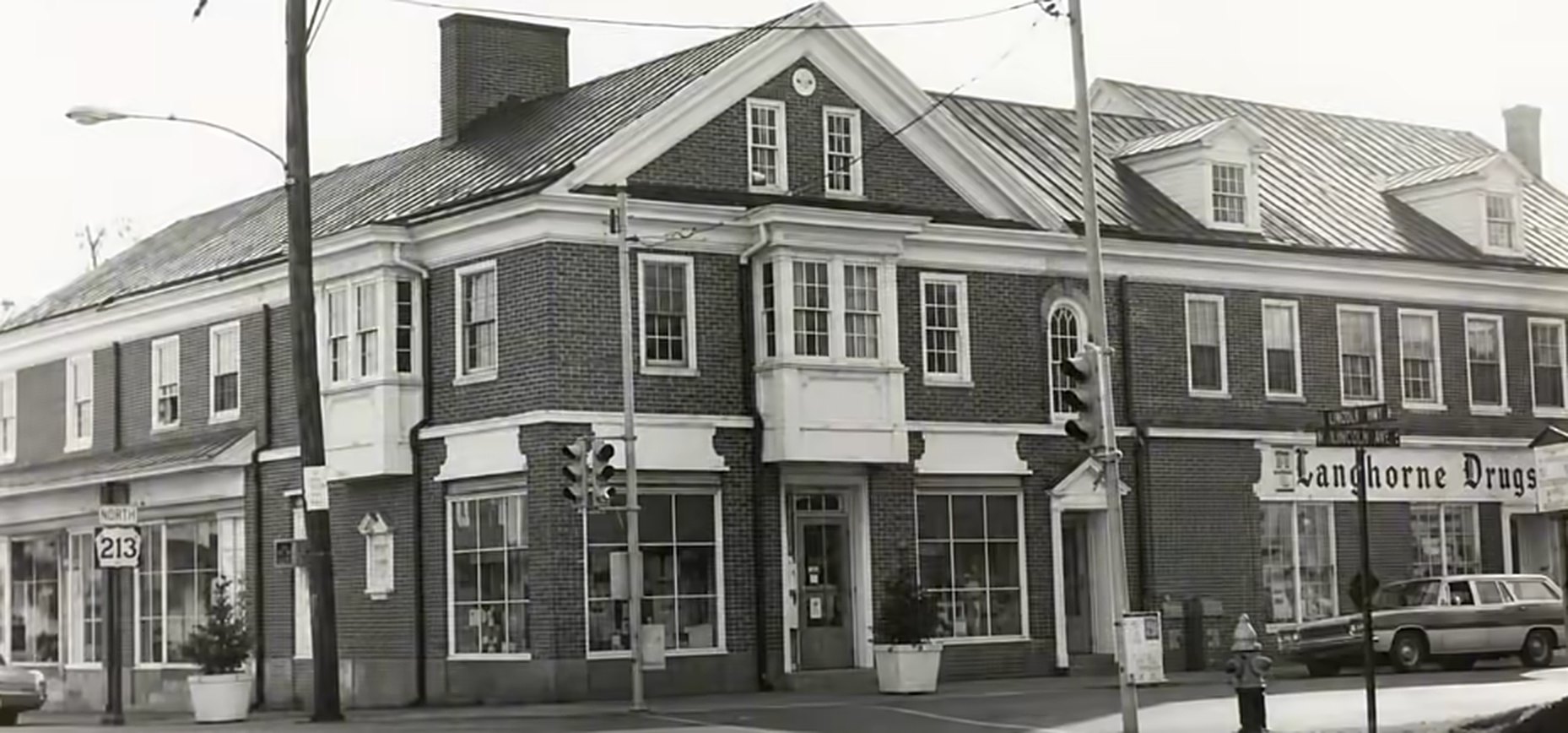
The Parry Building
The building is greatly expanded into eight stores, 21 offices and two dwellings, complete with a restaurant, according to the Newtown Enterprise.
- 1992
The soldiers are found
An archaeological survey uncovers rose-head coffin nails and the graves of young soldiers, confirming the old story. The burial site is preserved in their honor.
- 2025
El Limon opens
A restaurant returns to the historic Hicks House building as El Limon Mexican Taqueria opens its doors at 108 S. Bellevue Avenue.
Home of El Limon
The Hicks House, Langhorne, PA
The house on the southeast corner of Maple and Bellevue went up in 1763 for Gilbert Hicks, a local magistrate who served the British Crown. Few buildings in Langhorne are older, and few have seen as much history.
Loyal to the King
Gilbert remained loyal to the British Crown as revolution spread. In 1776 he opened court in the King’s name, an act many neighbors considered treason. Tipped off by fellow Loyalists, he stayed away from the courthouse, and local tradition says he hid in a neighbor’s attic before slipping out of the area. He made his way to Nova Scotia, received land and a pension from the Crown, and never returned. His Langhorne property was seized.
The house soon had unexpected guests. With the Hicks property seized, Gilbert’s son Isaac and his family lived upstairs while the ground floor served as a hospital, and on December 26, 1776, Isaac allowed the New Jersey Legislature, forced out of its own state by the fighting, to meet there “to consider the state of the country.”
A hospital for Washington's soldiers
In late 1776, Dr. William Shippen Jr., Washington’s director of hospitals west of the Hudson, chose Four Lanes End for a hospital to care for soldiers suffering through that harsh winter. When the troops arrived on December 8, the Hicks House, the tannery, and the Quakers’ meetinghouse and schoolhouse all became sick wards, while officers and surgeons lodged in the Richardson House across the street. Records suggest no other Army hospitals operated north of Philadelphia at the time.
About 166 soldiers, from seven of the original thirteen colonies and from the battles of Trenton and Princeton, died here, most from disease and starvation rather than wounds. Eleven-year-old Jane Richardson watched from her window as sleds carried coffins from the Hicks House to a burial ground down the street, where the men were laid three or four to a grave. The troops finally left on May 15, 1777.
One story from that account has been handed down for generations: a grieving father who had traveled from Boston to see his dying son at the hospital, a son he said was the ninth he had lost in the war. For about two hundred years the burials were known only through stories like this one. Then, in 1992, an archaeological survey of the site found rose-head coffin nails still attached to wood and the remains of young men, confirming the story. The burial ground at South Bellevue and Flowers Avenues is now preserved in their honor.
From home to Parry Building
The house stayed a private home until around 1902, when William B. Parry bought it and turned it into shops and offices. A major expansion followed in 1912, and a local newspaper of the day reported that the enlarged building would hold eight stores, 21 offices, two apartments and a restaurant. Over the years the corner storefronts held local businesses such as Langhorne Drugs, and today a restaurant is back in the building with El Limon.
The house's original address was 106 S. Bellevue Avenue. As the property grew, more commercial addresses were added, and today El Limon welcomes guests at 108 S. Bellevue Avenue.
- 1763Built by Gilbert Hicks
- 1776–77Hospital for Continental soldiers
- 1776New Jersey Legislature meets here
- 1912Expanded into the Parry Building
Langhorne's famous son
Edward Hicks (1780–1849)
Born in 1780 in Attleborough, today’s Langhorne, to Isaac and Catherine Hicks, Edward lost his mother at an early age and grew up with David and Elizabeth Twining on their Newtown Township farm. He went on to work as a coach and sign painter, serve as a traveling Quaker minister, and paint for the love of it.
He learned his trade as an apprentice in Attleborough, now Langhorne, then partnered with a coachmaker in Milford, today’s Hulmeville, for eleven years.
In 1811 he settled in Newtown and opened his own coach and sign painting shop. A decade later he built a stone home on Penn Street, and his son Isaac eventually joined the family business.
Some fellow Quakers frowned on art made purely for decoration, but Hicks kept painting farm scenes, history and animals. His best-known works, The Peaceable Kingdom series, picture the prophecy in Isaiah 11, where predators and prey rest side by side with a small child, often with William Penn’s treaty with the Lenape playing out in the distance. He died in Newtown in 1849, and thousands came to his memorial.
- 60+Versions of The Peaceable Kingdom
- 1811Opened his own shop in Newtown
- 5,000Mourners at his memorial
The art of Edward Hicks
The Peaceable Kingdom
Tap any painting to see it larger
“The wolf also shall dwell with the lamb, and the leopard shall lie down with the kid… and a little child shall lead them.”
Isaiah 11:6 (King James Version)Why this verse? Isaiah describes a coming time of peace, when natural enemies rest side by side and a small child leads them. As a Quaker minister who devoted much of his life to the cause of peace, Hicks returned to this vision more than 60 times, painting predators and gentle animals gathered with children. In many versions he set William Penn’s treaty with the Lenape in the distance, linking the ancient prophecy to a scene from Pennsylvania’s own history.
Take a walk
A walk through historic Langhorne
Six stops around the old crossroads. Grab lunch with us, then go see where it all happened.
- 1
106 S. Bellevue Ave.
The Hicks House
Gilbert Hicks's house (1763), a Revolutionary War hospital, and today part of the building that is home to El Limon.
- 2
SW corner of Maple & Bellevue
The Richardson House
Built in 1737–38. American troops crowded into its kitchen and parlor after the Battle of Trenton.
- 3
109 W. Maple Ave.
The “Signature House”
Built in 1783, its brick walls bear the cut names and initials of its owners and builders, plus four date stones. Isaac Hicks's name is among them.
- 4
160 W. Maple Ave.
Historic Langhorne Association
The 1888 Langhorne Library building, now a public museum with a local history archive.
- 5
453 W. Maple Ave.
Middletown Friends Meeting
Quakers have gathered on this site since 1683, and today's meetinghouse was built in 1793.
- 6
Flowers Ave. & S. Bellevue Ave.
Revolutionary War burial ground
Where about 166 soldiers who died at the village hospitals in 1776–77 were laid to rest, confirmed by archaeologists in 1992.
Sources
This history is written in our own words, based on the following sources: Pennsylvania Historical and Museum Commission, “Revolutionary War Burial Site” historical marker (1999); Carol Ann Aicher, Historic Langhorne Association, “Heralding Our History: Four Lanes End is where Langhorne began,” Bucks County Herald, April 4, 2024; Historic Langhorne Association, “Heralding Our History: Hospitals, burial site, show Four Lanes End war’s toll,” Bucks County Herald, April 18, 2024; George MacReynolds, Place Names in Bucks County, Pennsylvania, 2nd ed. (Bucks County Historical Society, 1955), as summarized by Dennis Partridge (2024); William J. Buck, “An Inquiry into the Origin of Names of Places in Bucks County,” Bucks County Intelligencer, February 3, 1857; Jeffrey L. Marshall, Bucks County historian and president of the Heritage Conservancy (2014); Samuel Eastburn, Langhorne and Vicinity in Olden Times; Newtown Enterprise, June 22, 1912; the journal of Joshua Richardson II (1869); Edward Hicks historical marker, Newtown. Short quotations come from these historical documents.
Image credits: Paintings and portrait of Edward Hicks are public domain. The Hicks House, around 1905, courtesy of the Historic Langhorne Association. Want to learn more about Langhorne’s past? Visit the Historic Langhorne Association at 160 W. Maple Avenue. El Limon is not affiliated with the Historic Langhorne Association.